Types of Running Shoes: A Complete Guide to Choosing the Right Pair
Published on : 27, May 2026
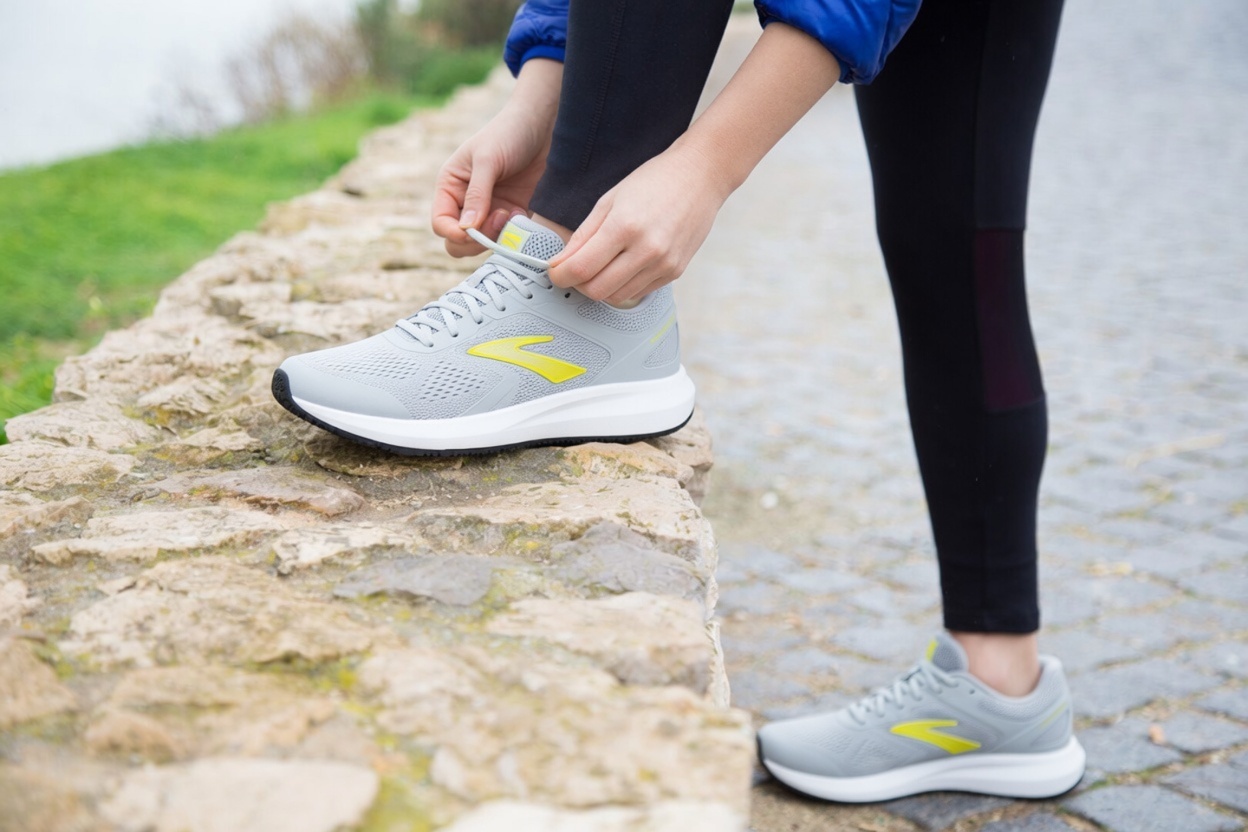
Choosing the right running shoes is more important than many people realize. The wrong pair can lead to discomfort, poor performance, and even long-term injuries. Whether you run occasionally, train daily, or are preparing for longer distances, the shoes you wear directly affect your movement, balance, and impact absorption.
The right running shoes support your foot structure, improve stability, and reduce pressure on joints and muscles. Understanding different shoe types and your foot mechanics can help you select footwear that feels comfortable and supports every step.
Why choosing the right running shoe matters
Running places repeated stress on your feet, knees, and joints. Since every runner has a different foot structure and running style, one type of shoe does not suit everyone. Choosing the correct running shoes can help:
❤
Improve comfort
during runs
⚡
Enhance running
efficiency
📈
Support natural
foot movement
Understanding different types of running shoes
Different running styles and surfaces require different kinds of support.
| SHOE TYPE |
BEST FOR & KEY FEATURES |
Road Running
|
Roads, pavement, treadmill — lightweight and cushioned |
Trail Running
|
Dirt paths, rocky terrain — strong grip and durability |
Stability
|
Overpronation — added support and motion control |
Neutral
|
Normal foot movement — balanced cushioning |
Minimalist
|
Natural running style — low cushioning and lightweight |
Motion Control
|
Severe overpronation — maximum support |
Racing / Carbon
|
Speed training and races — lightweight foam and carbon plate |
🛣 Road Running Shoes
→ Lightweight construction
→ Responsive cushioning
→ Comfortable fit for daily use
→ Better shock absorption
Suitable for beginners and long-distance runners.
⛰ Trail Running Shoes
→ Strong traction for grip
→ Protective layers around the shoe
→ Better stability
→ Increased durability
Using road shoes on trails may reduce grip and increase slipping risk.
≋ Stability Shoes
→ Extra arch support
→ Better midsole structure
→ Improved foot alignment
→ Better balance
👟 Neutral Shoes
→ Balanced cushioning
→ Flexibility
→ Natural movement
→ Comfortable daily support
🪶 Minimalist Shoes
→ Lightweight feel
→ Greater ground connection
→ Increased flexibility
Beginners should gradually transition to avoid muscle strain.
⟳ Motion Control Shoes
→ Firm midsoles
→ Structured heel support
→ Maximum stability
→ Enhanced arch support
⚡ Racing & Carbon Shoes
→ Carbon plates
→ Lightweight foam
→ Energy return technology
Generally better suited for experienced runners and race-day performance.
🔗Mistakes People With Wide Feet Make When Buying Shoes
Why foot type and pronation matter
Pronation refers to the natural inward rolling movement of your foot during running.
Different foot types usually create different movement patterns. Choosing shoes based on your foot type can reduce unnecessary stress and improve comfort.
| FOOT TYPE |
PRONATION PATTERN |
RECOMMENDED SHOE |
| Flat feet |
Overpronation |
Stability / Motion Control
|
| High arch |
Underpronation |
Neutral / Cushioned
|
| Neutral arch |
Normal pronation |
Neutral Shoes
|
Understanding running shoe cushioning
Different runners prefer different cushioning levels.
MAXIMUM
Maximum cushioning
Long-distance runners
High-impact runners
Extra comfort
MODERATE
Moderate cushioning
Everyday running
Balanced support
MINIMAL
Minimal cushioning
Natural running feel
Experienced runners
🔗What Is a Shoe Drop in Running Shoes? A Complete Beginner’s Guide
How to choose running shoes properly
Several factors affect your shoe choice.
Running surface
Road running requires lightweight cushioning. Trail running needs better grip and protection.
Running distance
Longer distances usually require additional cushioning and support.
Foot shape & arch
Shoes that fit your foot shape correctly provide greater comfort and reduce pressure points.
Cushioning feel
Some runners prefer softer cushioning, while others prefer firmer support. Try different options.
Budget
Higher prices do not always mean better performance. Focus on comfort, support, and overall value.
Common mistakes beginners should avoid
Many beginners make avoidable mistakes when choosing running shoes.
⊗
Choosing shoes based only on appearance
⊗
Wearing road shoes on trails
⊗
Ignoring foot type and pronation
⊗
Buying shoes that are too tight
⊗
Waiting too long to replace worn shoes
Leave a small amount of space at the front of the shoe because feet naturally expand during running.
How long do running shoes last?
Most running shoes last within this range depending on usage and running conditions.
SIGNS OF WEAR
⊗ Worn-out soles
⊗ Reduced cushioning
⊗ Foot discomfort while running
⊗ Visible damage
EXTEND SHOE LIFESPAN
✓ Clean with mild soap
✓ Air dry naturally
✓ Rotate between two pairs if possible
Frequently asked questions
How do I know if I need stability shoes?
If your feet roll inward excessively while running, stability shoes may provide additional support.
Can beginners use carbon running shoes?
Beginners should first focus on comfort and support before moving to carbon-plated shoes.
Can I use road running shoes on trails?
Road running shoes generally do not provide enough grip or protection for trail surfaces.
How often should I replace my running shoes?
Most running shoes should be replaced after 300–500 miles, depending on use.
Final thoughts
Choosing the right running shoes depends on several factors, including your foot type, running style, preferred terrain, and comfort level. The right pair helps support natural movement, improves running comfort, and reduces the risk of injury.
Understanding the different types of running shoes makes it easier to select footwear
that matches your needs and helps you enjoy every run with confidence.