Flat 20% Discount on New Arrivals. SHOP NOW
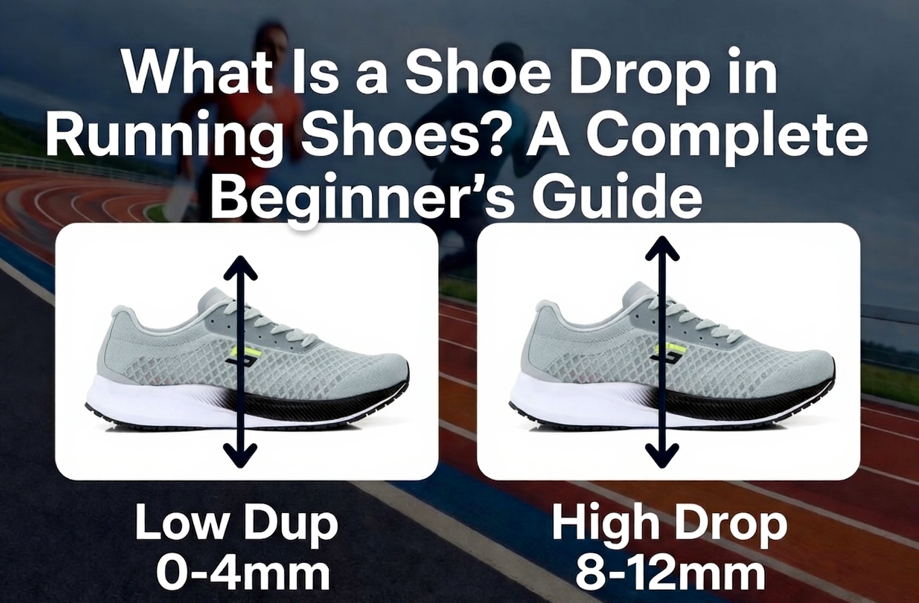
When buying running shoes, most people focus on style, cushioning, or brand reputation. However, one of the most important factors that affects comfort and performance is something called shoe drop.
Whether you are a beginner runner, a gym enthusiast, or someone looking for comfortable sports footwear for daily use, this guide will help you understand what shoe drop means and how to choose the right option for your needs.
Shoe drop, also known as heel-to-toe drop, refers to the height difference between the heel and the front part of the shoe. The measurement is usually given in millimeters (mm).
The shoe drop influences your foot strike pattern, running posture, pressure distribution, calf muscle engagement, and knee and ankle movement. The right drop depends on your movement style, comfort preference, and activity level.
The higher the heel relative to the toe, the more the shoe tilts your foot forward — affecting how you strike the ground and which muscles carry the load during each step.
Shoe drop is typically grouped into three categories. Each affects your movement, posture, and muscle engagement in distinct ways.
|
HIGH DROP
8MM+Designed with elevated heels that provide extra cushioning and comfort. Encourages heel striking and reduces stress on calves and Achilles tendon. Feels more familiar for beginners. BEST FOR
Daily walking · Long-distance · Beginners
|
MID DROP
4–8MMProvides a balanced combination of cushioning and natural movement. Smooth transition during movement with better balance between support and flexibility. BEST FOR
Daily training · Casual running · Daily wear
|
LOW / ZERO DROP
0–4MMKeeps the heel closer to the ground and encourages a more natural posture. Activates foot and calf muscles more intensely. Gradual adaptation is always recommended. BEST FOR
Sprinting · Gym · Natural running styles
|
Many people think shoe drop and cushioning mean the same thing, but they are completely different features in a running shoe.
|
↕
Shoe Drop• Height difference between heel and toe
• Measured in millimeters (mm)
• Affects foot strike pattern and posture
• Influences running mechanics and movement style
|
▣
Cushioning• Softness or padding inside the shoe
• Felt as foam thickness and overall softness
• Affects comfort and shock absorption
• Reduces impact and improves underfoot comfort
|
The right shoe type depends on your primary activity. Here’s how to match your footwear to your goals.
|
✈️
Long-distance running• Higher drop preferred
• Extra cushioning layer
• Better shock absorption
|
⚖️
Gym workouts• Lower or mid drop
• Better stability
• Flexible sole structure
|
🚶
Daily walking• Mid or high drop
• Lightweight cushioning
• Breathable upper material
|
The drop of your shoe influences how your body absorbs impact while moving. Choosing the wrong drop may lead to discomfort, instability, or fatigue over time.
|
HIGHER DROP SHOES
Shift pressure toward the knees and hips while reducing strain on calves and Achilles tendon. • Suitable for beginners
• Good for long-distance runners
• Ideal for daily walkers
• Helps with tight calf muscles
|
LOWER DROP SHOES
Engage the calves and foot muscles more actively, building natural strength over time. • Preferred by forefoot runners
• Favored by sprint athletes
• Popular among gym users
• Used by experienced runners
|
Many buyers select shoes only based on style or trends. Even small design differences can affect posture, comfort, and movement quality.
|
✓
Check the shoe drop specification before purchasing
✓
Understand your natural movement and running style
✓
Prioritize comfort and function over trends
|
✓
Consider knee, ankle, or calf discomfort history
✓
Transition gradually when changing to a new drop type
✓
Choose footwear based on your primary activity level
|
Not always. Zero-drop shoes are suitable for runners who prefer a natural running posture, but they require gradual adaptation.
Yes. High-drop shoes work well for cardio-focused workouts, while lower-drop shoes may provide better balance and stability.
Yes. Shoe drop affects posture, pressure distribution, and comfort during long hours of walking.
Start by wearing low-drop shoes for short durations and gradually increase usage over time.