Flat 20% Discount on New Arrivals. SHOP NOW
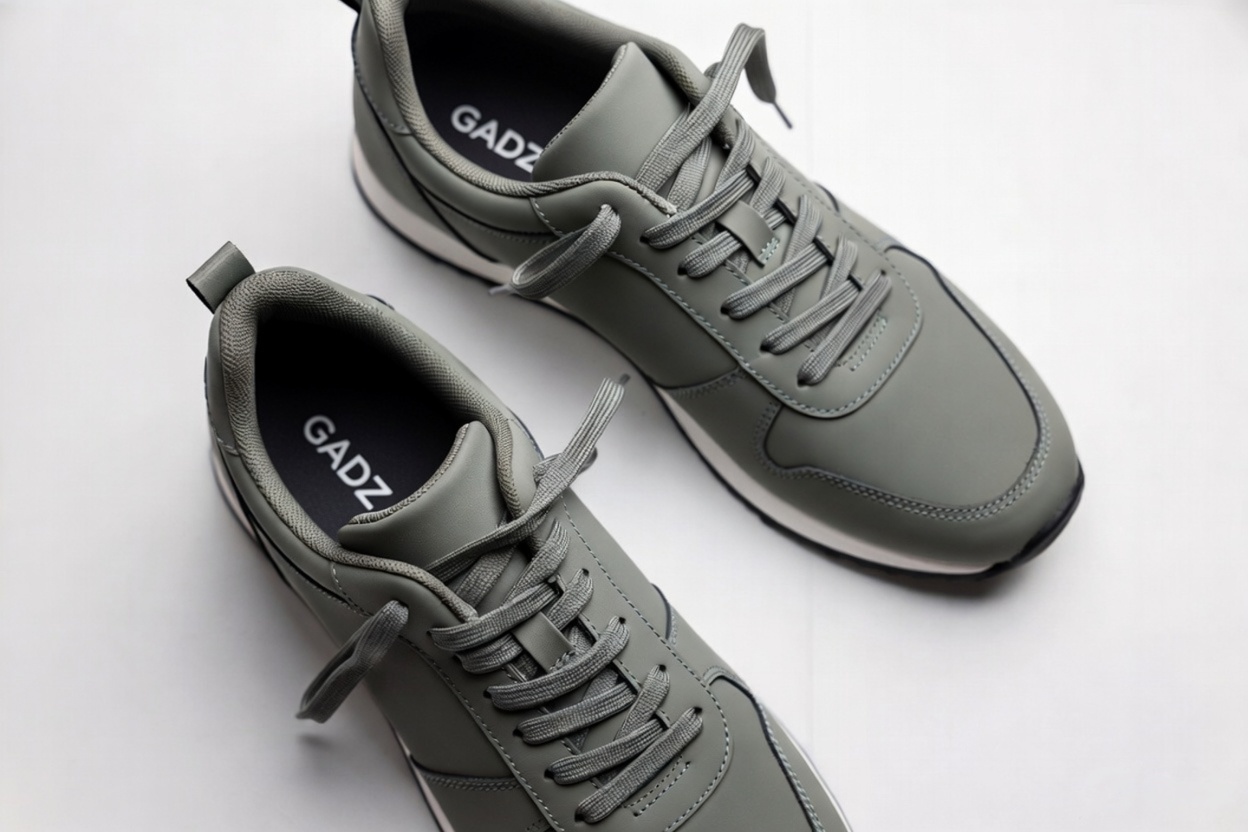
Does your heel slip while walking? Do you feel pain on the top of your foot or notice your toes becoming tight by the end of the day? Before thinking your shoes are the problem, check how they are laced. The right shoe lacing technique can make a big difference in comfort. In just a few minutes, you can solve many common fit issues without buying a new pair of shoes.
At Gadz, we build our shoes with comfort in mind from the sole up — but even the best-designed shoe still needs to be laced the right way to feel its best. Below, you’ll find easy, step-by-step lacing methods for the most common fit complaints, plus tips on which technique suits which type of shoe.
Your laces do more than keep your shoes on. They control exactly how pressure spreads across your foot. Tightening one section while loosening another can relieve pain and improve stability instantly — no new insoles or new shoes required.
The same pair of shoes can feel completely different once you change the lacing pattern. A few minutes of adjustment can reduce rubbing, improve blood flow, and give you a more secure fit for walking, running, or a full day on your feet.
If your heel lifts while you walk or run, you may notice
Too much pressure at the front or middle of the shoe can cause:
The wrong lacing pattern for your foot shape can lead to:
Lacing is only part of the fix. If you have wider feet, it also helps to avoid some common buying mistakes.
Check out mistakes people with wide feet make when buying shoes before your next purchase.
nbsp;
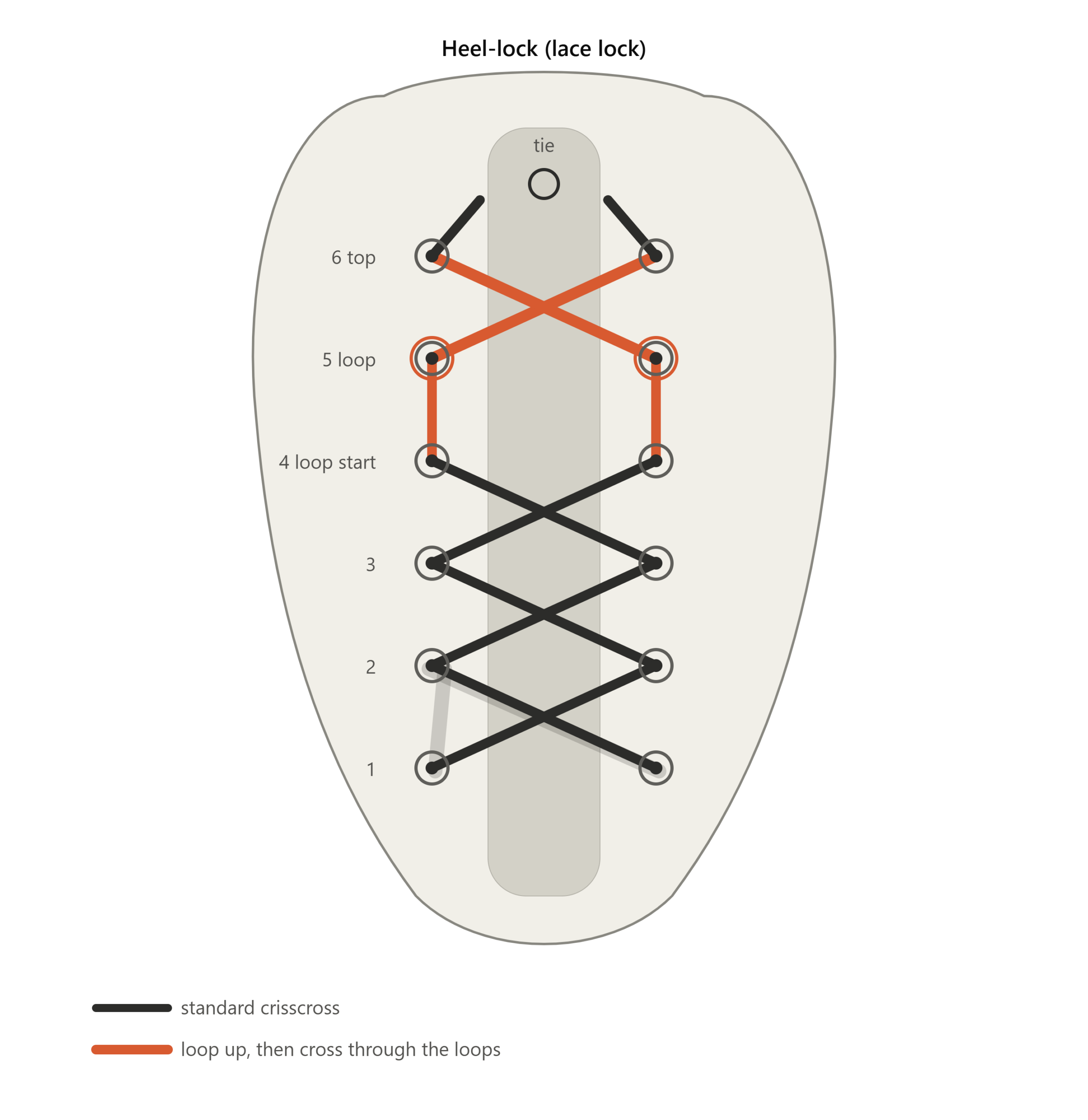
Best for: Preventing heel slip, ideal for running.
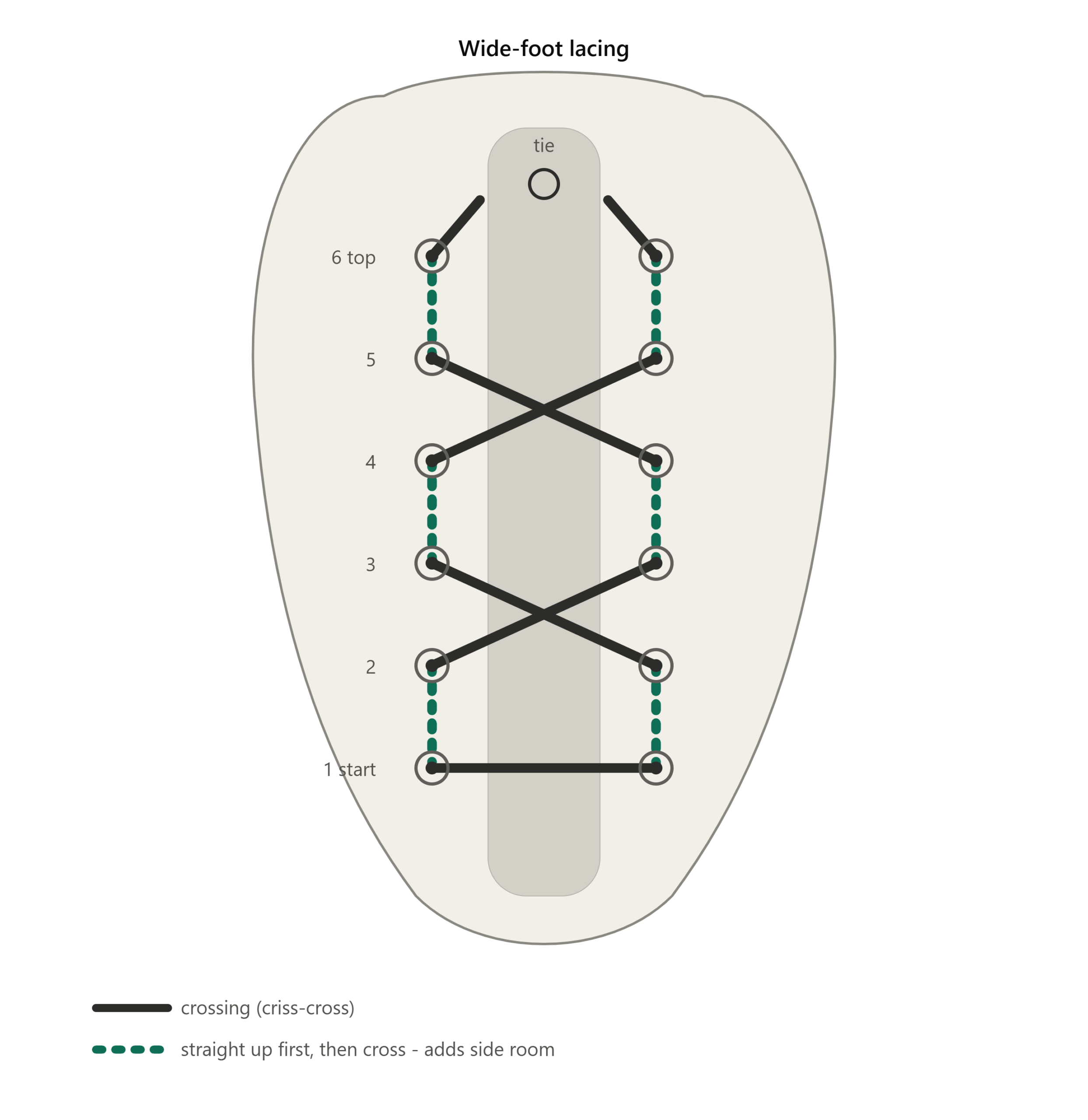
Best for: Shoes that feel tight across the sides of the foot.
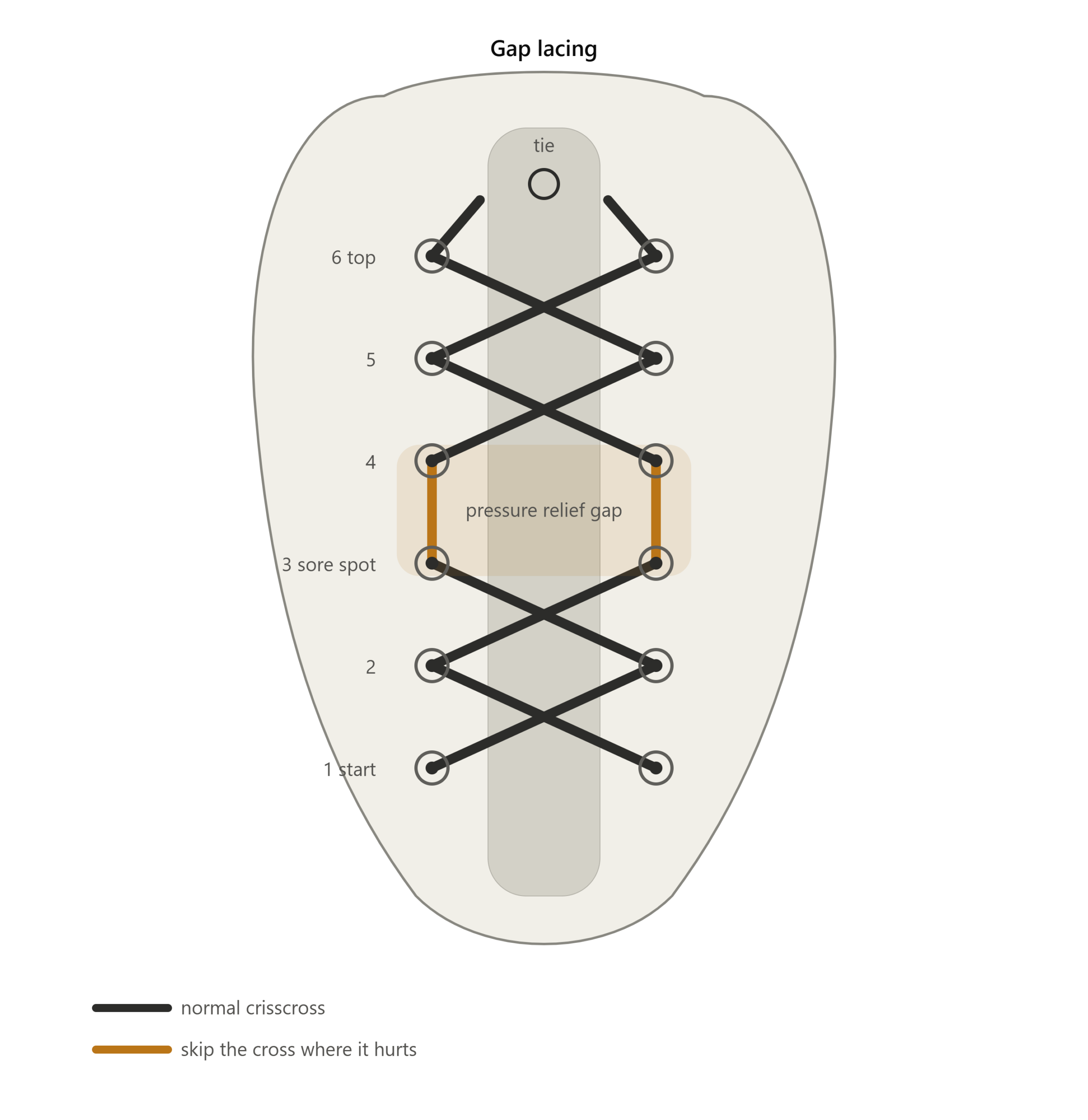
Best for: People who feel pressure across the top of the foot.
Best for: A tight toe box.
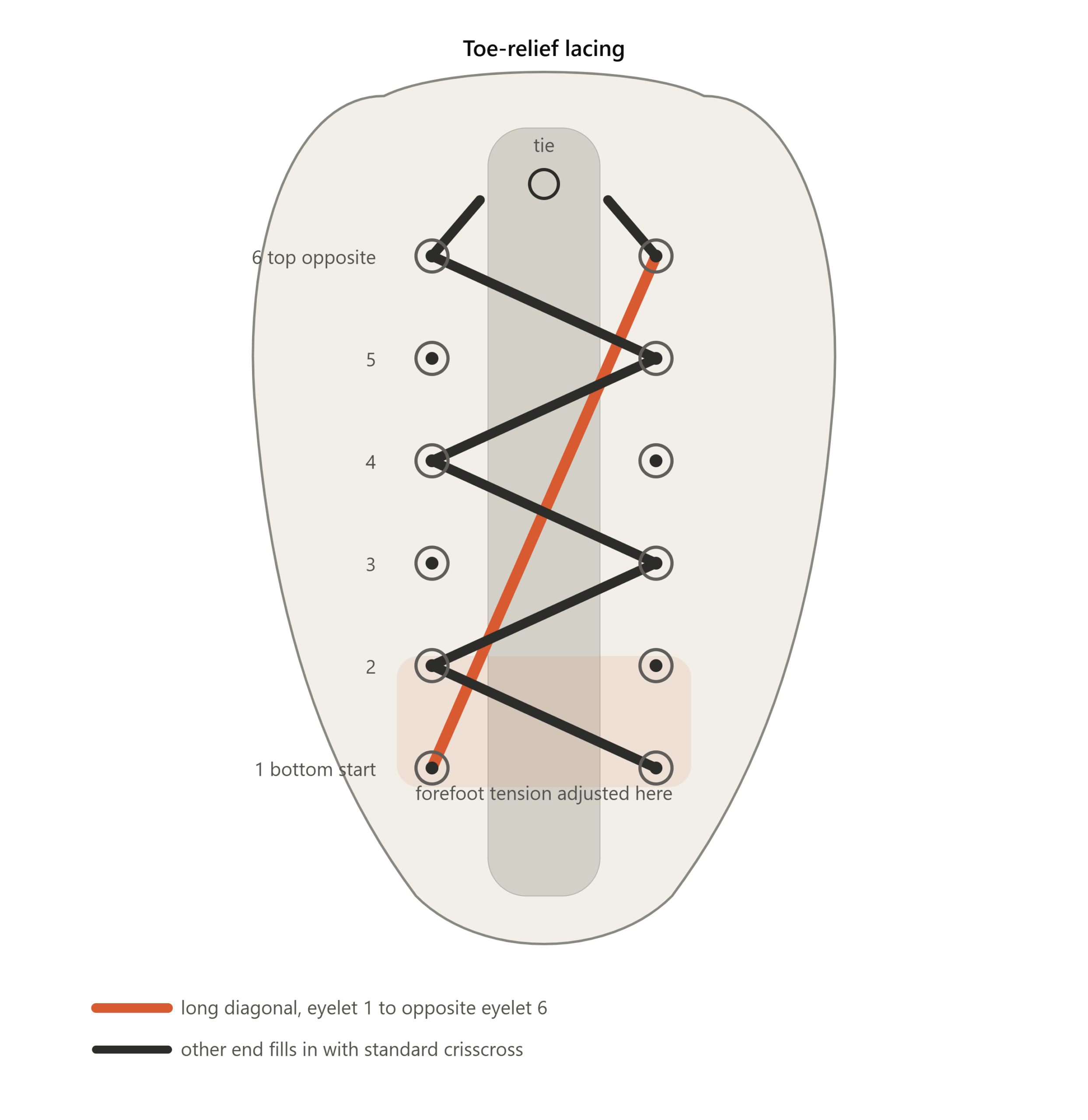
Different activities put pressure on different parts of your foot, so the right lacing pattern isn’t the same for every shoe.
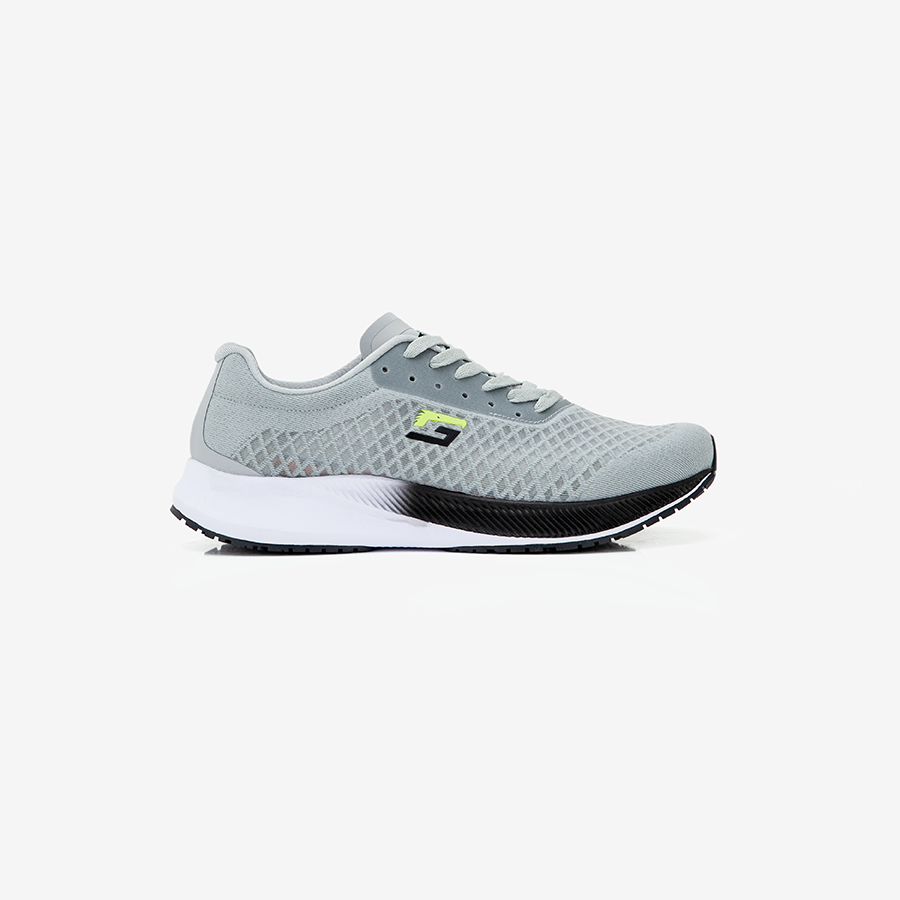
Running puts repeated impact on your feet with every stride. Heel-lock lacing is usually the best choice here — it keeps your foot from sliding inside the shoe during faster movement, which lowers your risk of blisters over a long run.
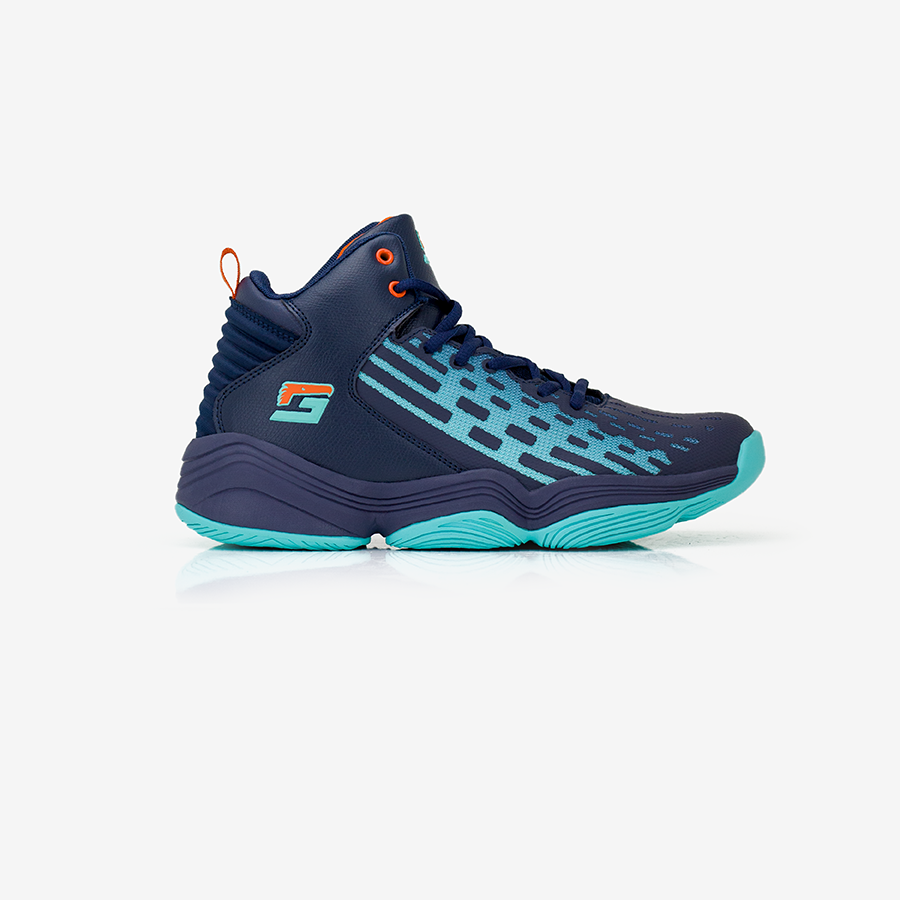
Court sports involve constant direction changes. A locked-in heel paired with balanced midfoot tension helps you cut, stop, and jump with less risk of rolling an ankle.
New to court sports? Our guide to choosing basketball shoes for beginners covers what to look for beyond lacing, from grip to ankle support.
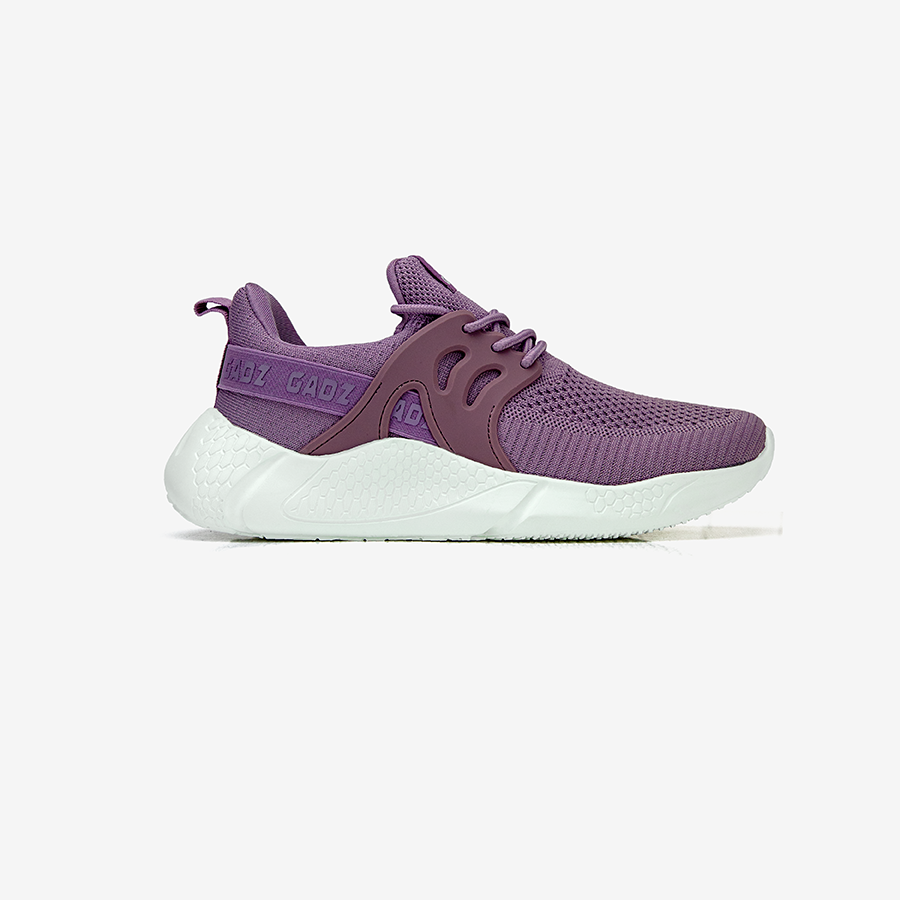
For everyday wear, comfort usually matters more than lockdown. Gap lacing or wide-foot lacing works well here, especially if you’re standing or walking for most of the day.
Use the heel-lock lacing technique. It secures your ankle and heel so your foot can’t slide forward inside the shoe.
Wide-foot lacing lets the shoe expand more evenly across the sides, giving you extra room without losing support.
This is usually caused by lacing that’s too tight over that spot. Gap lacing relieves the pressure by skipping the cross at the point where it hurts.
Yes. Small changes in how you lace can reduce pressure points, stop rubbing, and give you a noticeably more secure fit — often within minutes..
Tight enough to stop your foot from moving inside the shoe, but not so tight that you lose circulation or feel numbness in your toes.
Pulling laces unevenly or too tight over time can stretch the eyelets and wear down the upper faster, so it’s worth adjusting your technique rather than just tightening everything.
A more comfortable fit doesn’t always mean buying new shoes. Often, changing how you lace the pair you already own is enough to fix heel slip, toe pressure, or general foot discomfort.
Pair the right lacing technique with footwear built for lasting support, and the results are even better. Gadz combines REFLEX Insoles, ergonomic cushioning, and dependable stability to help every step feel comfortable. Browse the Gadz collection of running shoes, lifestyle sneakers, and court shoes to find the right pair for you.