Flat 20% Discount on New Arrivals. SHOP NOW
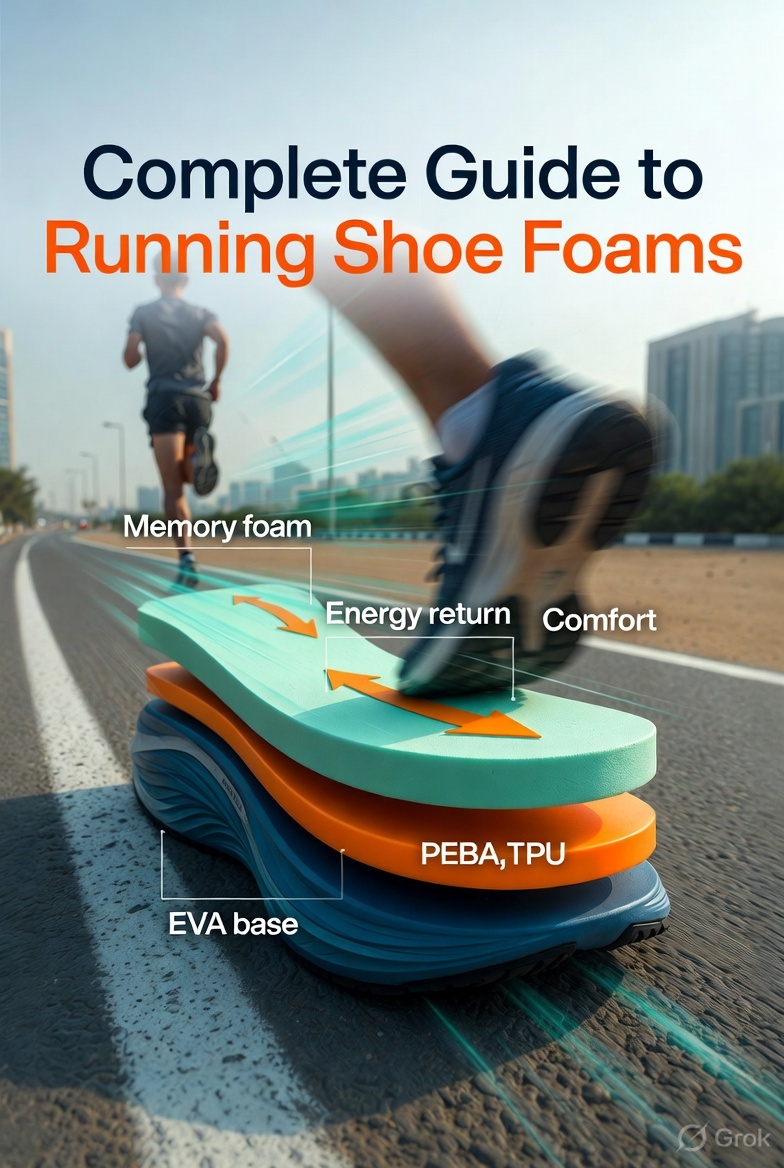
Choosing the right running shoe involves more than finding the correct size or design. One of the biggest factors affecting comfort, support, and performance is the foam used in the midsole.
Different running shoe foams are designed to deliver different experiences. Some focus on soft cushioning for everyday comfort, while others prioritise energy return and responsiveness for faster running. The type of foam used can influence how a shoe feels, how long it lasts, and how efficiently it performs. The right foam can also reduce strain on your feet and joints, which matters just as much as speed or style.
Understanding running shoe foam types can help runners make better footwear decisions based on their goals, running frequency, and budget.
Midsole foam is the layer of material located between the upper and outsole of a running shoe. Its primary purpose is to absorb impact and reduce stress on the feet, ankles, knees, and joints during movement.
Every time your foot strikes the ground, the midsole foam helps soften the impact and improve comfort. The type of foam used can significantly affect how a shoe feels during a run.
Modern running shoes use several types of foam, each designed to provide unique benefits.
EVA is one of the most commonly used materials in running shoes. It is lightweight, comfortable, and cost-effective, making it popular among beginner and recreational runners.
Benefits of EVA foam include:
EVA remains a reliable choice for everyday training and casual running. If you’re new to running, it’s worth pairing your foam choice with the right heel-to-toe drop for your stride.
TPU foam is known for its durability and bounce. It maintains its cushioning properties longer than traditional EVA and performs well in different weather conditions.
Benefits of TPU foam include:
Many daily training shoes use TPU because of its balance of comfort and longevity. TPU’s durability also makes it a strong pick if you split your training between treadmill and road running.
Supercritical EVA is an advanced version of traditional EVA foam. During manufacturing, gases such as nitrogen are infused into the foam to create a lighter and more responsive material.
Benefits of supercritical EVA include:
This technology is increasingly used in modern performance trainers.
| Foam Type | Feel | Best For | Price Range |
|---|---|---|---|
| EVA | Soft and lightweight | Beginners and daily training | Budget-friendly |
| TPU | Bouncy and durable | Long-distance and regular training | Mid-range |
| PEBA | Extremely responsive | Racing and competitive running | Premium |
| Supercritical EVA | Lightweight and energetic | Performance training | Mid to high |
Not sure which category fits you? Start with your foot type and running style, then match it against the table above.
Energy return refers to the amount of energy a foam gives back during each step.
When your foot lands, the foam compresses. As it expands back to its original shape, some of that energy is returned to help propel you forward.
Higher energy return can make running feel more efficient and less tiring, especially during long runs and races. PEBA foam is widely known for providing some of the highest levels of energy return available in modern running footwear.
One of the most common comparisons among runners is EVA vs PEBA running shoes. While both materials provide cushioning, they serve different purposes.
| Feature | EVA Foam | PEBA Foam |
|---|---|---|
| Weight | Lightweight | Ultra-lightweight |
| Cushioning | Good | Excellent |
| Energy Return | Moderate | Very High |
| Durability | Good | Moderate |
| Best For | Everyday running | Racing and performance |
| Price | Affordable | Premium |
EVA is ideal for runners seeking comfort and value. PEBA is better suited for runners who want maximum responsiveness and speed.
Durability varies between different foam technologies.
Typical lifespan estimates include:
TPU is generally regarded as one of the most durable cushioning materials available.
For runners who train frequently, durability may be just as important as cushioning.
Many runners search for the most cushioned running shoe foam to improve comfort and reduce fatigue.
PEBA foam is often considered one of the most cushioned and responsive options available today. It provides a soft underfoot feel while maintaining exceptional energy return.
TPU is another highly cushioned option that offers long-lasting comfort and durability.
The best choice depends on factors such as running distance, pace, body weight, and personal preference.
Selecting the best foam for running shoes depends on your individual needs.
New runners often benefit from EVA-based shoes because they offer comfort, stability, and affordability. Pairing this with shoes matched to your foot type will improve comfort even further.
Runners who train several times a week may prefer TPU or supercritical EVA for added durability and responsiveness. If you run daily, see our picks for best daily-use walking and running shoes.
Competitive runners and marathon participants often choose PEBA foam because of its lightweight design and exceptional energy return.
Traditional EVA remains one of the best value options for runners seeking reliable cushioning without spending a premium price.
Foam isn’t just about speed — it plays a direct role in how much stress your feet and joints absorb on every run. Softer, well-cushioned foams like PEBA or TPU can help if you’re prone to foot pain, while firmer EVA setups suit runners with stable gait patterns.
It also helps to understand how running foam differs from walking shoe cushioning — see our guide on the difference between running and walking shoes if you switch between both activities.
At Gadz, running shoes are designed for everyday performance and comfort.
Many models feature advanced cushioning systems, REFLEX technology, memory foam support, and structured midsoles that help reduce impact while promoting a comfortable ride.
Instead of focusing solely on elite athletes, Gadz develops footwear that supports beginners, fitness enthusiasts, and regular runners looking for dependable performance at an affordable price.
RUNNING MEN SHOES
Sigma Shoes feature advanced weaving technology for an ultra-lightweight feel and exceptional breathability.
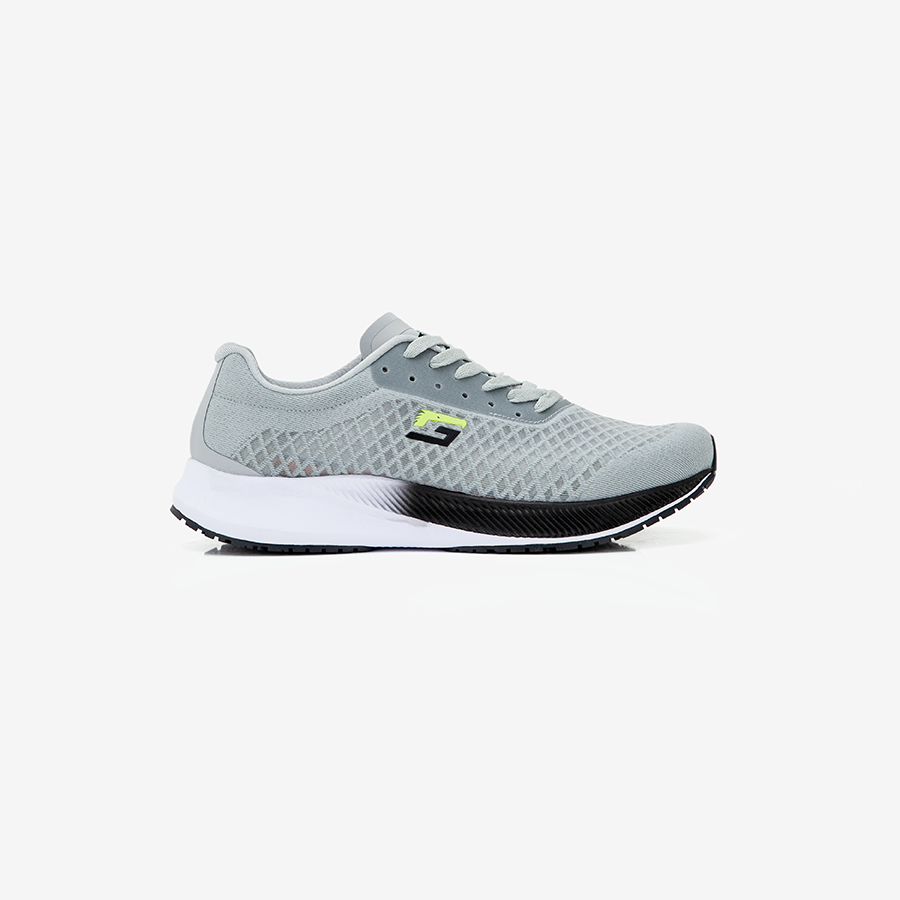
| Price | Weight (g) |
| AED 79 | 500 (Approx) |
| Shoe Closure | Upper Materials |
| Lace up | Textile |
| Sole Materials | Toe Style |
| PU/ EVA | Round |
RUNNING WOMEN SHOES
Benevolent Shoes combine compassion and comfort with a sleek design.Built for all-day wear.
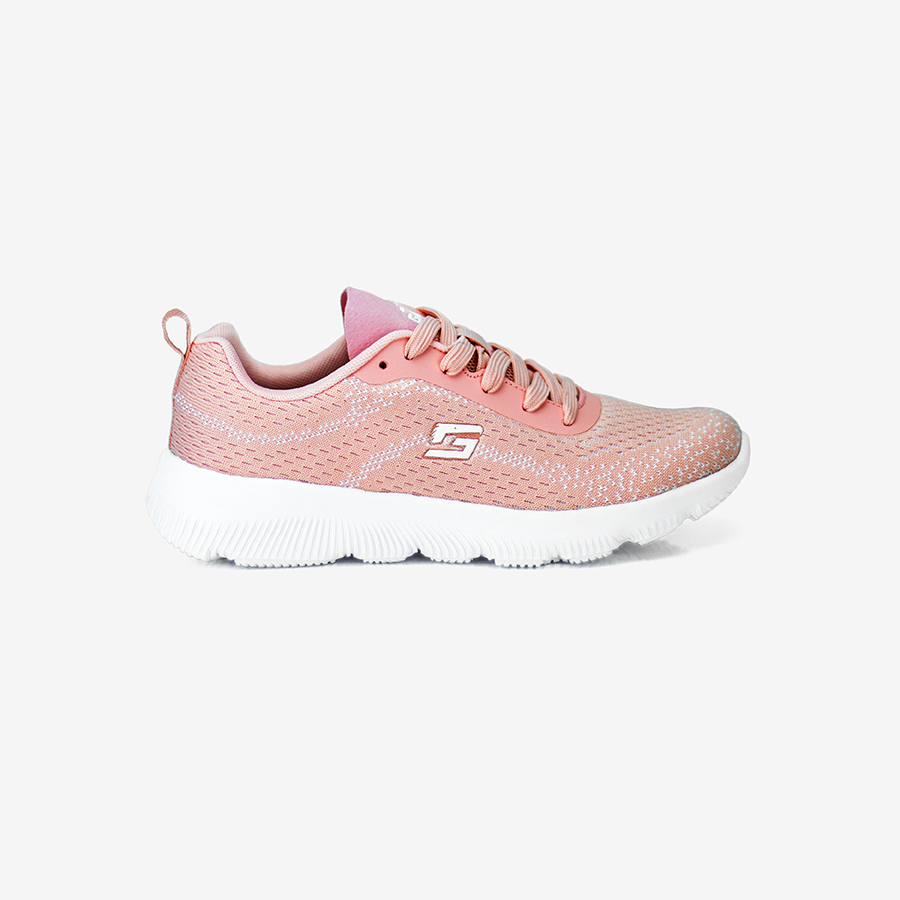
| Price | Weight (g) |
| AED 79 | 500 (Approx) |
| Shoe Closure | Upper Materials |
| Lace up | Textile |
| Sole Materials | Toe Style |
| PU/ EVA | Round |
PEBA foam is a premium running shoe material known for its lightweight construction, excellent cushioning, and high energy return. It is commonly used in performance and racing footwear.
Yes. EVA foam provides reliable cushioning, comfort, and affordability, making it an excellent choice for everyday training and beginner runners.
The best foam depends on your goals. EVA is ideal for daily comfort, TPU offers durability, and PEBA delivers maximum performance and responsiveness.
TPU foam generally lasts longer than most other foam types and maintains its cushioning characteristics over extended mileage.
Not necessarily. Premium foams offer advanced performance benefits, but many runners find EVA and TPU options more suitable for their needs and budget.
Yes. Thicker, lighter foams like PEBA often allow for a higher stack height without adding much weight, which changes the shoe’s heel-to-toe drop. Read our shoe drop guide for beginners to see how this affects fit.
Yes. Foam that’s too firm or doesn’t match your gait can contribute to discomfort over time. Check our guide on features that reduce foot pain for what to look for.
Understanding running shoe foam types helps you make a smarter footwear decision. Each foam technology offers unique advantages, from the affordability of EVA to the performance-focused design of PEBA.
When choosing the best foam for running shoes, consider your running goals, frequency, comfort preferences, and budget. Whether you are comparing EVA vs PEBA running shoes, searching for the most cushioned running shoe foam, or simply looking for reliable everyday comfort, selecting the right foam can significantly improve your running experience.